The Core Skill Every NEBOSH Learner Must Master
Introduction
In today’s high-risk industrial environment, workplace safety is no longer optional, it is essential. Organizations across the globe are prioritizing health and safety practices to protect employees and maintain compliance.
For learners pursuing certifications from NEBOSH, one skill stands above all: risk assessment. It is the foundation of effective safety management and a must-have competency for every safety professional.
What is Risk Assessment?
Risk assessment is a systematic process of identifying workplace hazards, analyzing the risks associated with them, and implementing control measures to minimize or eliminate those risks.
It answers three critical questions:
Why Risk Assessment is Important in Workplace Safety
1. Prevents Accidents and Injuries
Identifying hazards before they cause harm helps reduce workplace incidents significantly.
2. Ensures Legal Compliance
Organizations must follow safety regulations. Proper risk assessment helps meet legal requirements.
3. Protects Employees and Assets
A safe workplace improves productivity and reduces financial losses.
4. Builds a Strong Safety Culture
When employees feel safe, they perform better and contribute to a positive work environment.
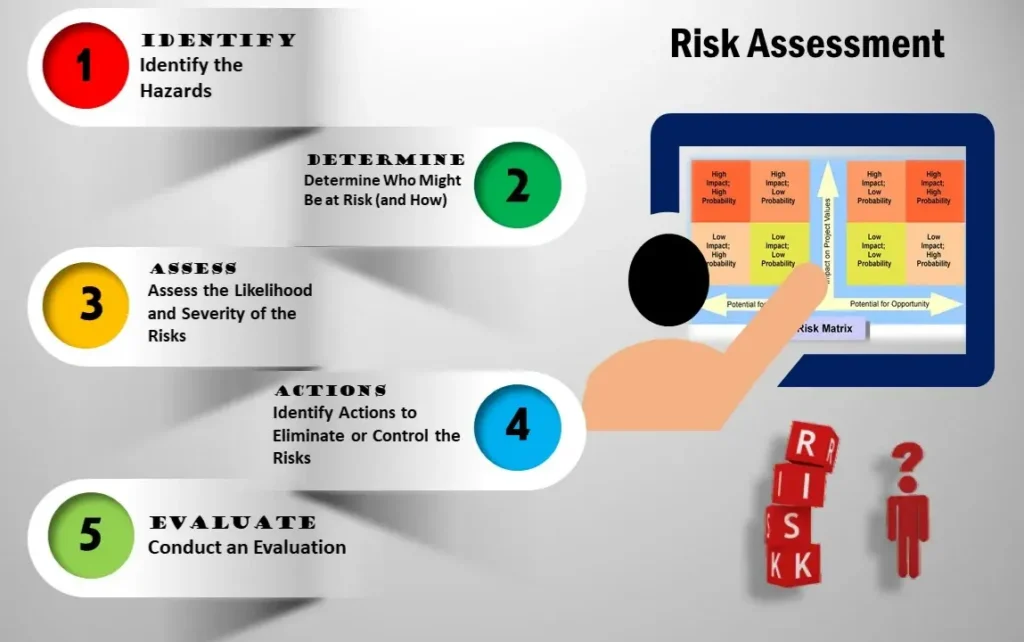
5 Essential Steps of Risk Assessment
Step 1: Identify Hazards
Look for anything that may cause harm, machinery, chemicals, working at height, etc.
Step 2: Decide Who Might Be Harmed
Consider employees, visitors, contractors, and vulnerable individuals.
Step 3: Evaluate Risks and Implement Controls
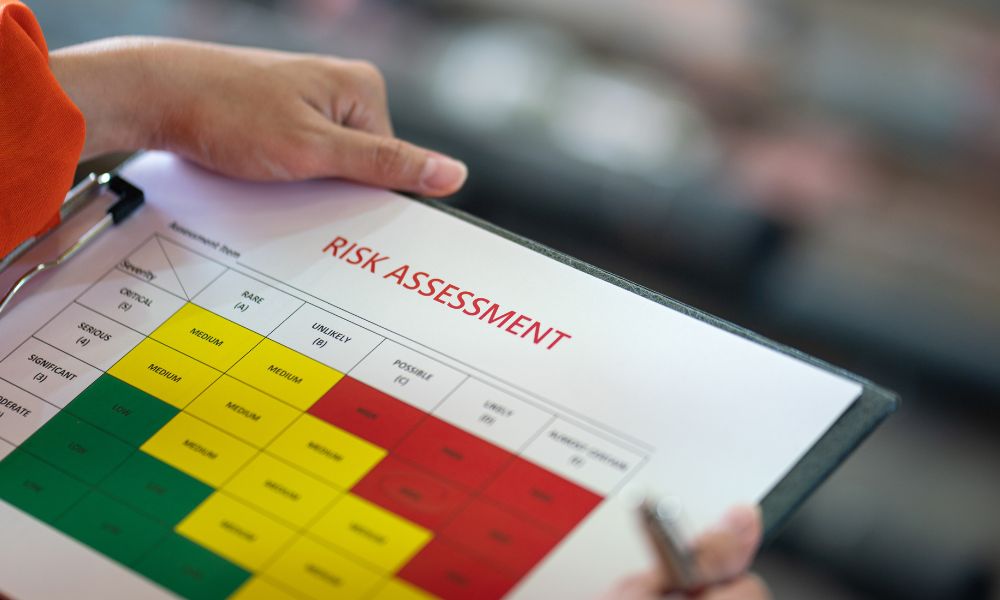
Use a risk matrix to assess severity and likelihood, then apply control measures.
Step 4: Record Your Findings
Document hazards, risks, and control actions for future reference and compliance.
Step 5: Review and Update
Risk assessments should be updated regularly or when changes occur.
Real-World Example of Risk Assessment
Imagine a construction site where workers operate at height. Without proper assessment, the risk of falling is high.
By identifying this hazard, implementing guardrails, safety harnesses, and proper training, the risk can be significantly reduced, preventing serious injuries or fataliti
Conclusion
Risk assessment is not just a theoretical concept, it is a life-saving skill that every safety professional must master. For NEBOSH learners and safety institutes, understanding and applying risk assessment effectively is the key to building safer workplaces and successful careers.